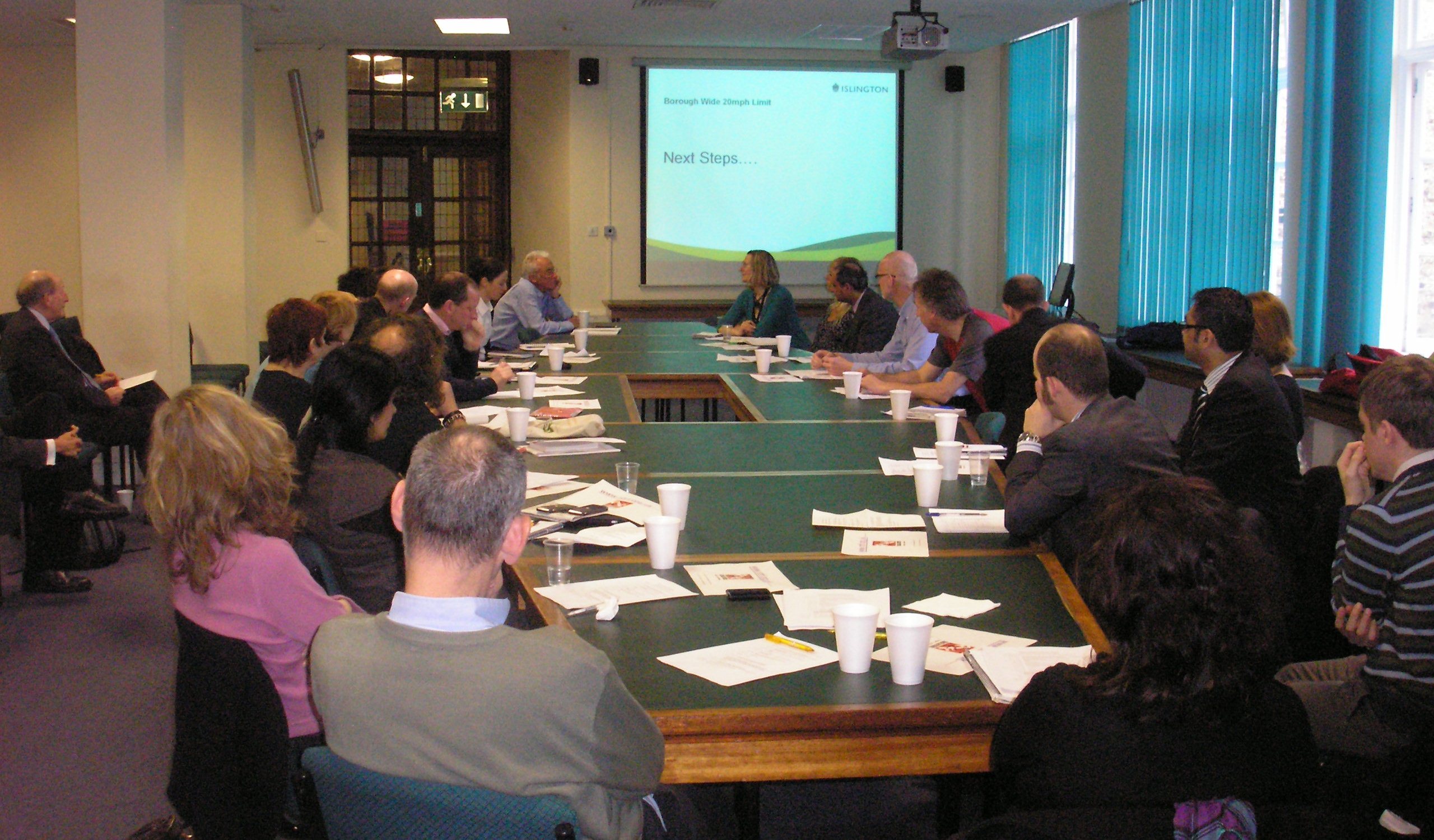
LB Lambeth hosted the seminar under this title on March 16th. Below RDRF Chair Dr. Robert Davis gives an account and his views of where this productive seminar takes the Road Danger Reduction agenda: Continue reading
LB Lambeth hosted the seminar under this title on March 16th. Below RDRF Chair Dr. Robert Davis gives an account and his views of where this productive seminar takes the Road Danger Reduction agenda: Continue reading
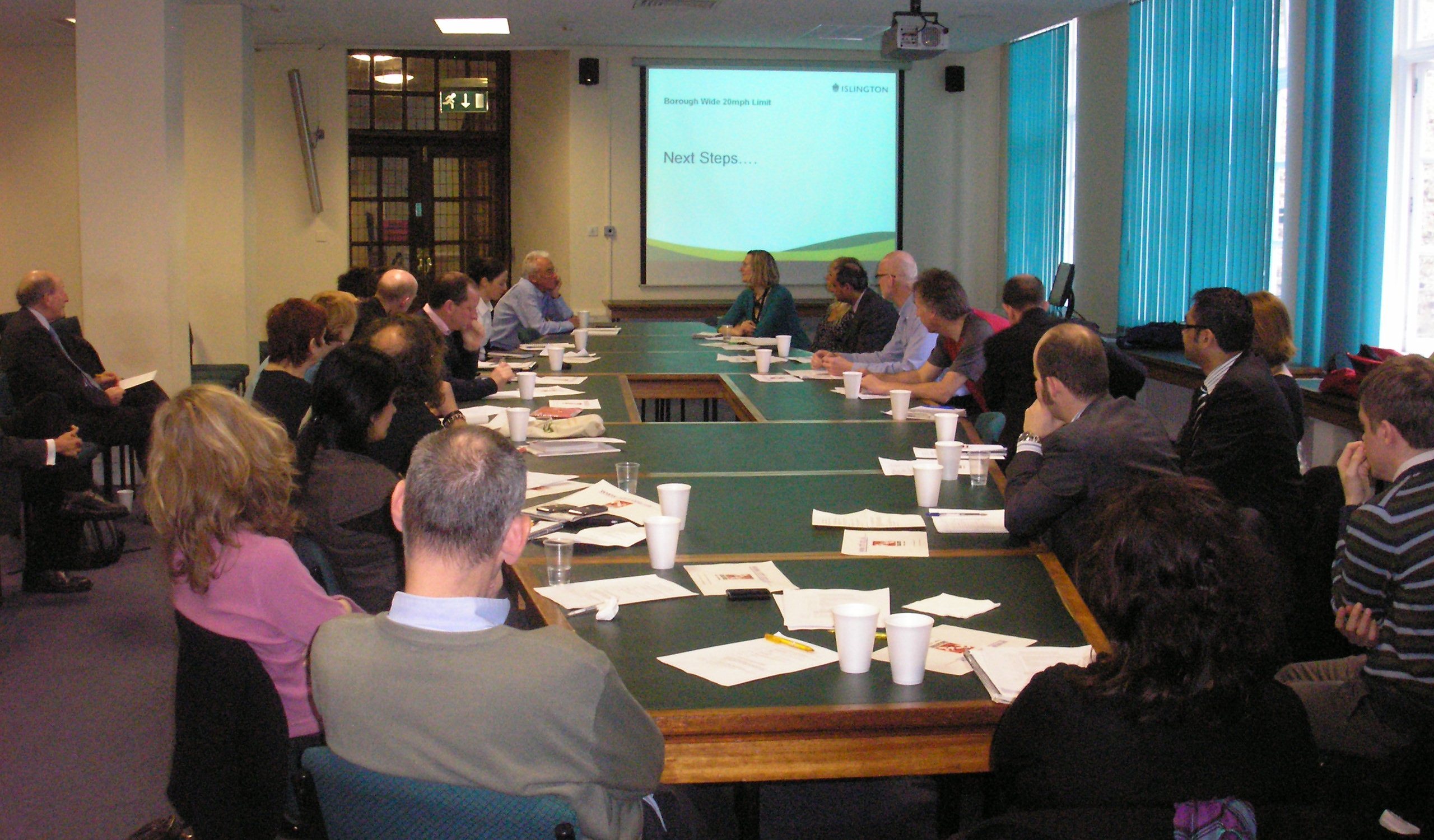
LB Lambeth hosted the seminar under this title on March 16th. Below RDRF Chair Dr. Robert Davis gives an account and his views of where this productive seminar takes the Road Danger Reduction agenda: Continue reading
In London it’s consultation time for Local Implementation Plans and the occasion for seeing what your local authority might be saying with regard to road danger and sustainable transport. What follows is relevant for Local Transport Plans throughout the country, but I’ll be concentrating on London as I know more about it.
London Borough of Lambeth (first Highway Authority in the UK to have a Road Danger Reduction Manager) is going to be running a seminar on March 16th: “Embedding Road Danger Reduction in Local Transport Plans” at which I’ll be giving a version of this post. Places are pretty much taken up, but if you want to come – it’s invitation only – do drop me an e-mail at chairrdrf@aol.com . So: what is happening with the London LIPs? Continue reading
As we enter 2011 there is a strong chance of a step change in the adoption of Road Danger Reduction (RDR) policy by a local authority – and by a city, no less.
While some of the ideas of RDR have filtered through to at least parts of the mainstream – and to all those bodies with any kind of genuine concern for the well being of cyclists and pedestrians and for sustainable transport policy in general – the uptake of RDR has been patchy, to say the least. Even the 30 or so local authorities that have signed the RDR Charter have either fallen by the wayside, or else been unable to address the problems of traditional “road safety” ideology and practice, even where key Councillors and officers are sympathetic.
Hopefully this may be about to change if Bristol City Council follows up on the report Road Danger Reduction in Bristol? , a report organised by Bristol City Council Road Safety, Bristol PCT and the University of the West of England http://www.bristol.gov.uk/ccm/content/Transport-Streets/Road-Safety/road-danger-reduction-in-bristol.en .
While there is a lot which is heartening in the report, plainly a great deal of work needs to be done to embed the positive attitudes displayed in the work of the Council. Continue reading
RDRF Chair Dr. Robert Davis was privileged to give not just one but two papers at this conference hosted by Drs. Dave Horton and Aurora Pereira-Trujillo at the Centre for Mobilities Research last month. One was on the general principles of Road Danger Reduction, the other on cycling in London (see photo above: I’m the one doing something funny with his hands, I can’t remember what). For a report go to http://thinkingaboutcycling.wordpress.com/2010/10/01/bicycle-politics-workshop-report/ and while you’re there, take a look at Dave Horton’s blog “Thinking about Cycling” http://thinkingaboutcycling.wordpress.com/, particularly the excellent article “Fear of Cycling”.
RD 2nd October 2010

Following the unveiling of the first “Cycling Super Highway” (CSH) in London by Mayor Boris Johnson, the excellent Velorution website declared “Boris is an Ass” http://www.velorution.biz/2010/05/boris-is-an-ass/. . Well, reducing politics to personalities and epithets is not our style.
Also, we would point out that:
Below we review what has been happening in London since Transport for London came into being. The issue is, when the Mayor, GLA and TfL tell us about their apparently wonderful plans for cycling, are we asses to believe them? Continue reading

Gathering of London RDRF at the signing of the Road Danger Reduction Charter at the House of Lords in March 2009 by London Boroughs of Lambeth and Southwark. (list of attendees at bottom of article)
I’m pleased to introduce the new RDRF website after a quiet period of activity for us. Continue reading
 Road Danger Reduction Forum