In 2024 the main annual national “road safety” conference featured a presentation by Mr V. Stops arguing against Britain emulating the Netherlands (NL) high share of cycling on the basis of the numbers of cyclists killed in NL. This was re-published in Local Transport Today (although editorial staff were keen to say that it’s message was not endorsed by LTT). There was then a riposte to it by Simon Munk, and one issue later by myself here which is posted here.
Why post this now?
This may seem to be either a rather arcane discussion about metrics, or else what Basil Fawlty may have described as “stating the bleeding obvious”. But it is crucial to any understanding of what the problem of danger on the road to be clear what we are trying to measure: is it danger, risk, officially reported casualties (in this case deaths) or casualty rates – all of which are different things. As discussed below, these numbers can be presented to get to not only the wrong, but diametrically opposed, conclusions. That’s why we post this article here: it is crucial to be clear what we think the problems are, so that we know what we should trying to achieve. (See also this article LTT kindly published as well.)
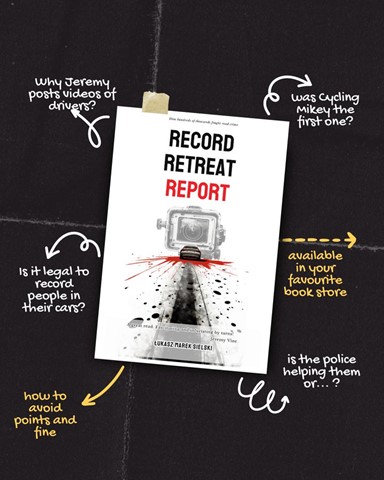
In my book reviews, I often urge supporters of Road Danger Reduction to read the book I comment on. This book is one which should not only be bought but used as a campaigning tool for engagement with your local “road safety” professionals and/or your UK Police Service. It’s nominally about a niche area of activity – 3rd party reporting – but the reaction to it tells you a very great deal about driver law-breaking and how we can challenge it.
That’s the key issue here. While the way in which liaison with your local Police can help in cutting specific types of road danger (close passing of cyclists, phone use and in the future speeding) varies, what really counts for me is the massive and hysterical reaction from driver bigots to those involved with 3rd party reporting.
I’ll be concentrating on these and other issues arising from 3rd party reporting, rather than just describing Sielski’s history of the practice in the UK.
1. Move UK away from dependence on private motor transport, which is unsustainable, wasteful, unsafe and is a deterrent to walking and cycling, by incentivising sustainable, active travel and public transport and by deterring unnecessary motor vehicle use by road pricing.
2. Cut the road building budget (c. £7 billion*) and reallocate for sustainable transport including:
£2 billion p.a. for Active Travel routes to deliver target of 50% of urban trips on foot or by bicycle by 2030.
3. Enforce road traffic law effectively through a substantial increase in roads policing, including national support for 3rd party reporting, with emphasis on minor penalties for common offences implicated in causing death and injury to others. Allocate an additional £500 million p.a. to be spent on road traffic policing.
4. Implement a National Road Safety Strategy with headline targets to reduce the danger that road users can pose to others, the establishment of a Road Safety Investigation Branch and lower speed limits with default of 20mph on urban roads and 40mph max on country lanes.
5. Legislate for and incentivise use of smaller, slower, safer, sustainable motor vehicles for passengers and freight. Taxation should be based on vehicle size, weight, and fuel with an objective being the reduction of use of SUVs in urban areas.
6. Commission a review of all road traffic laws to secure “roadjustice”.
Road Danger Reduction Forum President Baroness Jenny Jones said:
“Victims of road crashes – whether those injured or those who have lost loved ones – suffer appallingly, not least with an often overly lenient attitude in the justice system. The only civilised approach to this is to reduce danger at source – from those with the potential to hurt or kill others”, says Baroness Jones.
“Measures to curb road danger have to be part of a transport policy – unlike the one we have had for decades – which is less car dependent, and which supports active and less polluting forms of transport: this can also cut the deaths from inactive lives and vehicle emissions, as well as those from road crashes.”
It’s not right to expect children to wear body armour and high visibility clothing to (supposedly) protect themselves, while adults with a ton of metal around them are permitted to get away with dangerous and unnecessary driving which scares them off the streets.”
For further information, or if you want your organisation to sign up to the Manifesto, contact:
We’ll be commenting further here and on @CHAIRRDRF about other Manifestos, why ours is different and what we have in common. 19th June 2024
*The 2nd Roads Investment Strategy (RIS2) was £27.4bn when it was first announced in March 2020 (and that was to cover the 5 years from April 2020 to March 2025)to £24bn in the October 2021 Spending Review. About £14.1bn of it was for actually building new road capacity. The roads budget for beyond March 2025 (i.e. RIS3) has yet to be set – we believe that there should be a presumption against creating new capacity which will induce or generate more motor vehicular traffic.
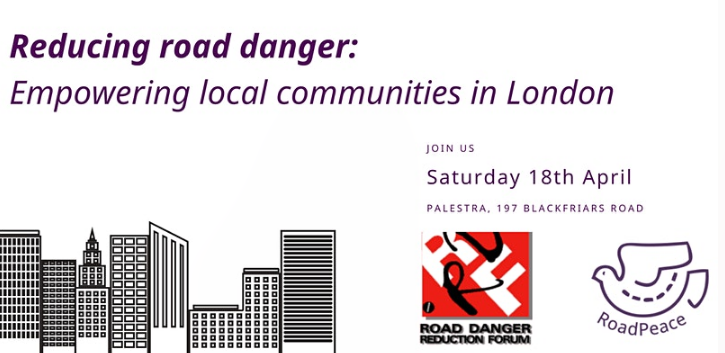
We’re delighted that our Conference (jointly organised with RoadPeace) which was due to be held in April, will now happen as two webinars on October 22nd and 29th at 4 pm:
“ Reducing Road Danger: Empowering Local Communities”.
Thus spoke Prime Minister Johnson in the House of Commons on 6th May 2020. Next day the Minister for Transport announced a programme which appears to signal the best chance for genuine Governmental support for cycling and walking for the last few decades. Momentous if it is – and not before time. “Should” – but will it be? I look at the prospects and continue the update of transport in the Covid crisis
We have decided to POSTPONE rather than CANCEL this conference until later this year – we will set a new date in the summer with our speakers as the COVID-19 situation develops. We have had substantial interest in the conference and think it would be wrong to abandon it. Regrettably road danger will not disappear in the meantime, and the need for such events will continue. Hopefully a new spirit of concern for public safety in the current emergency can give impetus to efforts to reduce road danger.
We look forward to re-posting details of the event later in the year.
Today the Government announced its response to the consultation on its “Cycling and Walking Investment Strategy (CWIS) Safety Review”. You can download it here and I suggest anybody interested in sustainable/healthy travel does so – this is a very important document.
Below I’m giving some first impressions – as I say, you should read the full document yourselves.
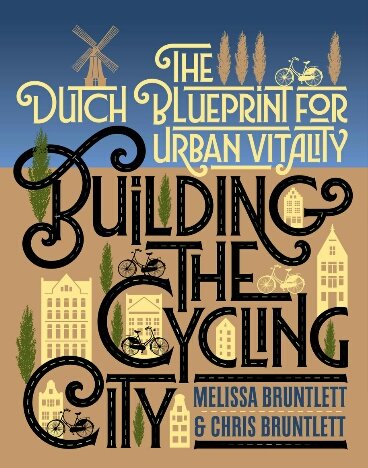
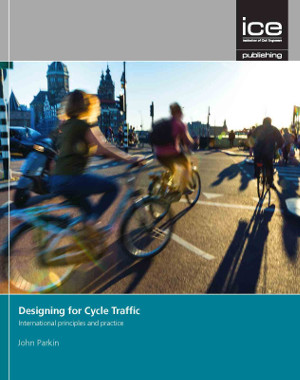
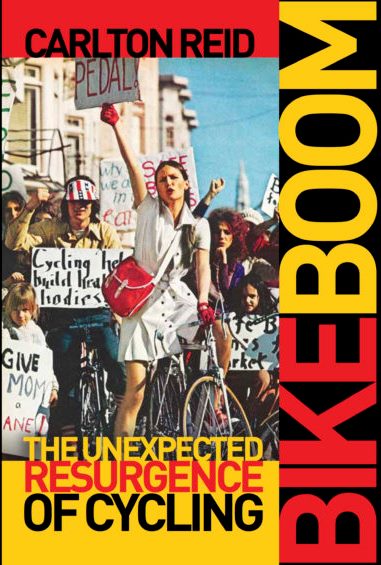
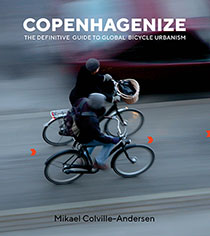
Here are two different books which are required reading for anybody thinking about creating cities where cycling is a genuinely mass mode of transport: which, when you come to think about it, is anybody with a view of cities which are less dangerous, polluting (whether it be from noxious, greenhouse gas or noise emissions), unsustainable and unhealthy for those living and working in them.
In broad terms, we support the ideas and recommendations set out by Cycling UK in their excellent “Cycle Safety: Make It Simple”report.
In this report we look more closely at issues such as: side road junctions and engineering convention, the issue of equality in transport design and practice, and the need for parity of spending for roads transport so that it is fairer to women, children and the disabled.
This document follows the structure set out by the Department for Transport CWIS Safety Review Survey.
1. Infrastructure and traffic signs
2. The laws and rules of the road
3. Training
4. Educating road users
5. Vehicles and equipment
6. Attitudes and public awareness
We respond to questions with specific recommendations. Continue reading →
First of all, an unequivocal endorsement of both these books from Island Press: They are essential reading for anybody concerned with the development of cycling as everyday transport for ordinary city dwellers – in fact anybody concerned with transport, public health, sustainability and urban life generally. And I am not someone who hands out plaudits freely! Continue reading →


 Road Danger Reduction Forum