Author Archives: rdrf

“Not thought to be suspicious”: What makes the society we live in nothing less than fundamentally uncivilised.


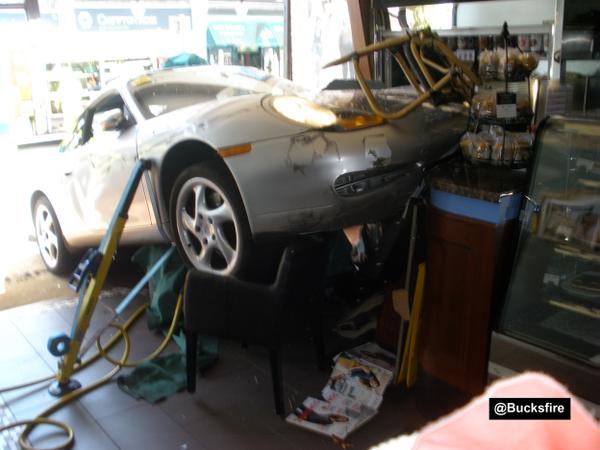
PorschewentintoCaffeNero16052015
A Porsche has been driven over the footway and into the Gerrards Cross branch of Cafe Nero, temporarily trapping two customers. No charge has been made by Thames Valley police, who are quoted as saying that the incident is “not thought to be suspicious”.

In this essay I examine this and a few similar incidents to see how the authorities accept and tolerate obvious rule and law breaking by motorists. As well as the Police services involved, the official “road safety” authorities in highway engineering collude and connive with this sort of violent behaviour. There is little comment on these incidents to challenge what appears to be the dominant narrative of tolerance of this behaviour, not least the type of language involved.

I challenge that narrative below, and argue against the dominant approach to these incidents, as well as the tolerance of them by the authorities. I think it indicates that in a crucial respect – the apparent acceptance of rule and law breaking by people simply because they have chosen to drive – this society is fundamentally uncivilised. Continue reading

Cyclist warning stickers: Is Transport for London doing what it can to get wrongly used ones removed?

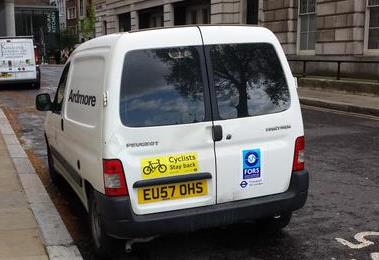
Ardmore@4ChordsNoNt

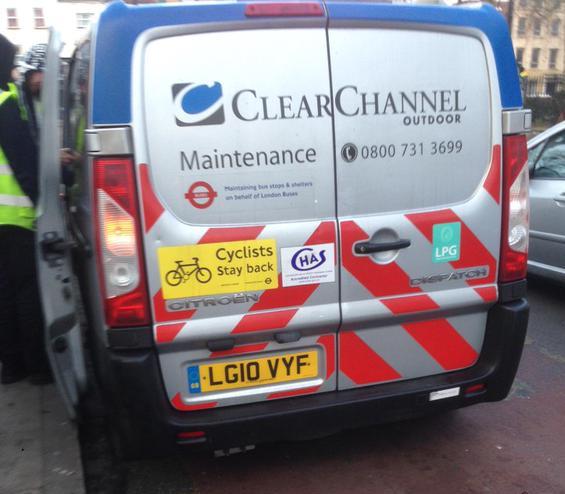
Is this FORS member saying: “I have a wing mirror but I can’t be bothered to use it, so ….”?

UPDATED May 29th 2015 with text of letter from cyclists and road danger reduction organisations (at end of post)

As long standing readers know, the Road Danger Reduction Forum has worked alongside our cyclist and road danger reduction partners with Transport for London on this matter. Our aim has been to have only properly worded warning stickers on the right kind of vehicles, in the first instance on vehicles of TfL’s Fleet Operators Recognition Scheme. (See here for the longest account and history of this story, the follow up and how members of the public can engage with TfL/FORS on this matter.)

Some of this – replacing wrongly worded stickers on FORS member HGVs and on buses in London has progressed well. But there remains a substantial problem: a number of vehicles without blind spots (cars, vans, small lorries) belonging to FORS members (like the van above) are still displaying these stickers. Our understanding in meeting with TfL/FORS has been that they would try to get these removed and they have indicated in their guidance that they are not intended for vehicles below 3.5 tonnes (e.g. those without blind spots).

But is TfL actually doing what it can – and should –  be doing here? Continue reading

What do the Conservatives say they will do about cycling?

Here’s a quick post on what the Conservative’s promise for cycling in the 2015 election. We have had a pop at the Labour promises (and take a recent look at Labour’s claims against those of the Lib Dems ) Above all, take a look at the CTC’s excellent summary of the Manifestos.

So what do the Conservatives say? Here is their response to Chris Boardman. (His back to it is referred to here )

We note:

Continue reading

Transport for London drops its cycling mode share target: what does this mean?

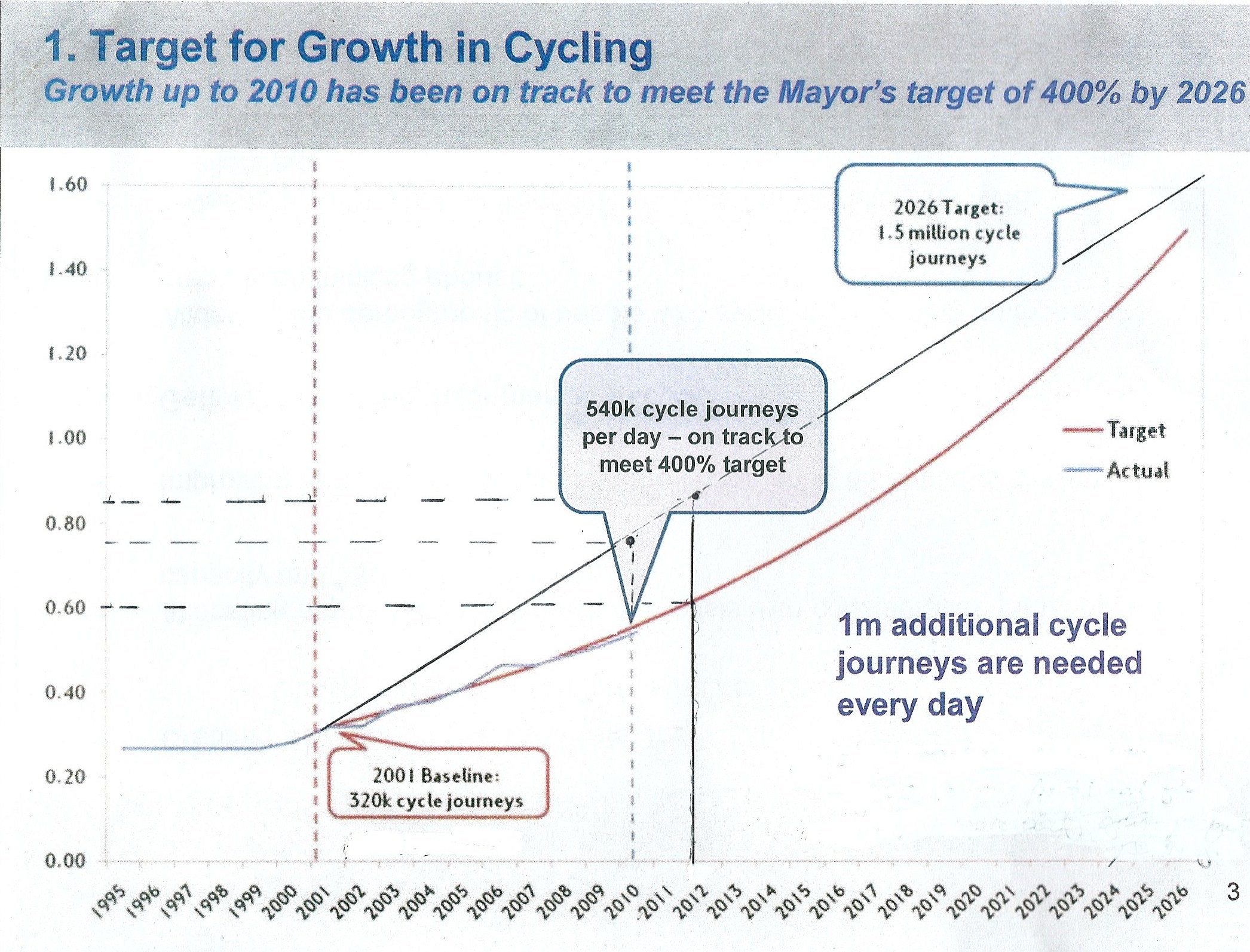
There’s been some concern that Transport for London (TfL) has dropped its target for cycling to have a 5% mode share in London by 2026. We have posted on the target question before,  but it’s time for an update.

Targetsforgrowth

This was the graph shown in 2012 by TfL. Was it “on track” then, and is it “on track” now?

Continue reading

The Michael Mason case: A national scandal and disgrace

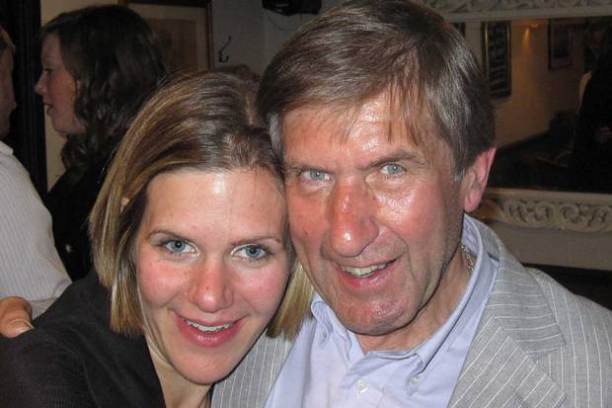
michael-mason-and-daughter-anna-tatton-brown

Michael Mason and his daughter Anna Tatton-Brown (Ross Lydall)

We have written about this case before in the context of law enforcement in London and our aims in the Traffic Justice Alliance. Unfortunately, we can’t report strides forward – yet – with the Traffic Justice Alliance, and have to report on developments in this case which should upset anybody who wants to see a civilised approach to danger on the roads. That may sound extreme, but recent developments reveal what we think is a national scandal and disgrace. This is not just a London matter, or just of concern to cyclists. It is about how crucial elements of the “road safety” culture we live under – including the beliefs and behaviour of those entrusted with law enforcement – are part of the problem of danger on the road.

Continue reading

Are we done with dreadful drivel from the dire Dugher?

We have already criticised Labour’s current shadow Secretary of State for Transport for his car-centrism. It seems that after a particularly lacklustre performance at the recent Times debate  on provision for cycling in the next Parliament, some of his advisers had a few words with him, and he was rather upbeat in his recent talk to the Campaign for Better Transport (CBT).

 So would a Labour Government make things radically different and better for walking and cycling? We analyse his talk below. But first there have been some more bits of nonsense since we last posted on Dugher. Regrettably, it looks like he is still bent on an agenda which sees motorists as an oppressed minority to be pandered to with additional subsidy, soft touch and minimal law enforcement. So here’s what looks like the face of Labour’s transport shadow again.

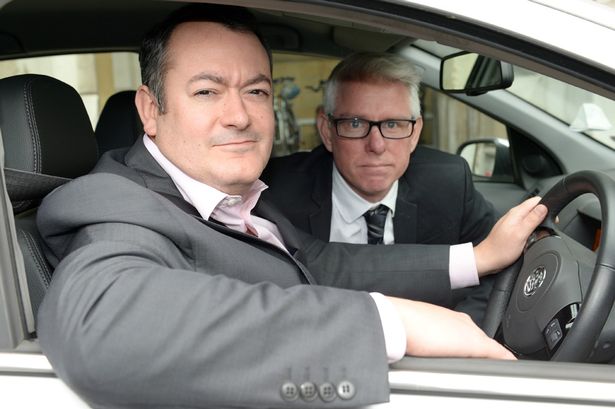
MICHAEL-DUGHER-MP Daily Mirror

Yes, it’s the photo from The Mirror again…

Continue reading

Killer trees? The meaning of the French programme of felling roadside trees for “road safety”

KillerTrees-AFPGet

(Photo: AFP)

The French are to continue with their programme for felling trees to protect motorists who drive off the road. This story illuminates yet again how “road safety” (The Telegraph piece correctly uses inverted commas) ideology and practice inherently colludes with homicidal rule and law breaking by the motorised, rather than working to reduce danger at source.

Continue reading

“Cyclists stay back stickers”: Something you can do

You might think that a grown human being shouldn’t have to do this – and you would be right, in my opinion. However, since there has been a lot of interest in this issue, we have a duty to follow through. (And anyway life is often about doing things you shouldn’t have to do).

So here goes: We are showing how you can play a part in the removal of stickers that are on the wrong vehicles (or wrongly worded stickers on vehicles for which they were intended) belonging to members of Transport for London’s Fleet Operators Recognition Scheme (FORS).

And it should indicate to TfL that we can cooperate with it.

ClearChannelLondonBuses012015Intelligent van

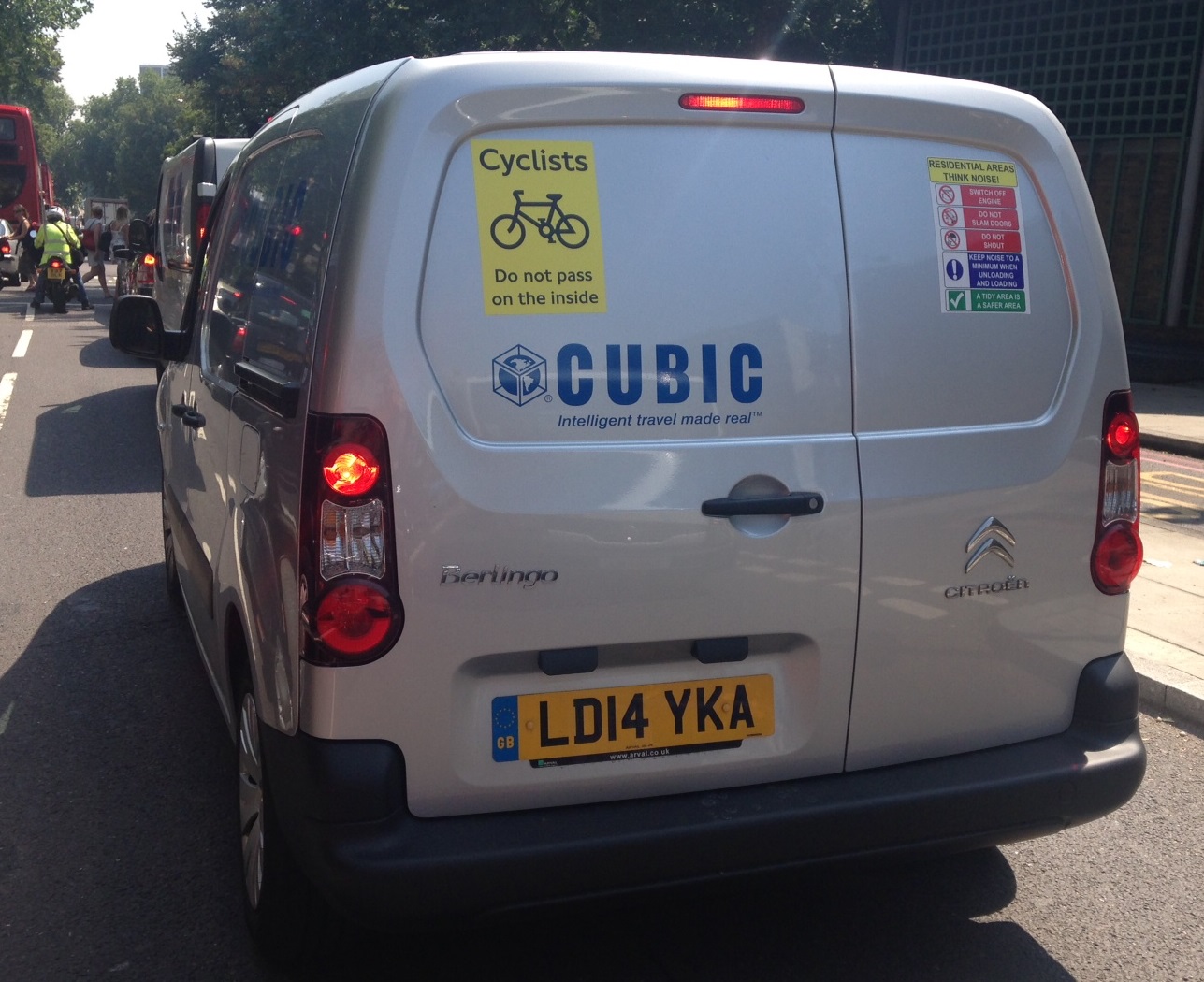
Vans – which were never intended to have these stickers on them – belonging to FORS members

Continue reading

UPDATE: “Cyclists stay back” stickers and HGV safety in London


Since our last post we have had our requested information from Transport for London about their Fleet Operators Recognition Scheme (FORS) and the (ab)use of warning stickers. We assess this response and analyse the new HGVs designed to be less dangerous to pedestrians and cyclists and showcased last week. Continue reading

“Cyclists stay back” stickers: the saga continues

Below we recount the story of the introduction of these stickers and the problems they’ve caused for cyclists. As an episode of incorrect and abused messaging, the issue is important – but not one of the major problems most would cite about cycling policy and its implementation in London or elsewhere. Writing the day after yet another cyclist is killed under the wheels of a tipper truck in London, obviously we see dealing with this problem by reducing danger at source (as explained below) as the priority. Yet for us the issue is revealing of problems with the transport establishment’s treatment of cycling.

Firstly, the problems have not yet been resolved: inappropriate stickers and (more important) stickers on vehicles they were never intended for are still there – even on TfL vehicles!

Secondly, it’s taken nearly two years after complaints were first made to get even the limited progress we can now see. Bureaucracies like TFL will always have problems in rectifying mistakes (which is a good reason to not make them in the first place). But the length of time involved, the difficulties TfL had in realising that mistakes had been made, as well as the fact that stickers on the wrong vehicles are still out there even on TfL’s FORS members’ vehicles lead to us a question:-

Is this story an indication that Transport for London simply doesn’t understand cycling and/or take it seriously in the way it might consider other forms of transport?

cycle sticker1

Continue reading