I’m pleased to report that Local Transport Today, the fortnightly journal for transport practitioners, has given us a significant outlet for publicising Road Danger Reduction (RDR) in it’s special supplement “Road Safety: Towards 2020”, out now (LTT570 06 May – 19 May 2011). Below I reproduce the published article of your Chair’s description of RDR- and how it differs from the rest of the contributions in the supplement. The supplement also includes a piece by Norma Fender, the UK’s first Road Danger Reduction Officer, on RDR work at LB Lambeth. Thanks LTT! Continue reading
RoadPeace event
Saving people and planet
a road danger reduction approach for a safer fairer world
So here’s some good news for a change – an event promoting road danger reduction : do get along to this event next week (May 11th at London School of Hygiene and Tropical Medicine) organised by our friends RoadPeace. Read about it here. It is based on a very traditional “road safety” initiative which hopefully RoadPeace will distance itself from.
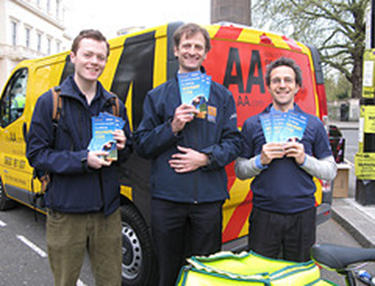
The Automobile Association’s latest bit of road safetywash.
The previous two posts have criticised the AA for its attempts to portray itself as a supporter of safety on the road. A more recent AA “road safety” initiative has got some agreement from our friends in the national cyclists’ organisation, the CTC. I think they’re wrong, and this is why: Continue reading
Resistance to the cheek of the Automobile Association
It’s nice to see there were justifiably indignant responses to the AAs dreadful stunt recently. It’s worthwhile to see who reacted and how – and who didn’t. Continue reading
What A Nerve!: How dare the AA lecture cyclists on safety!
The Automobile Association (and the other organisation for irresponsible motorists, the Royal Automobile Club) has a long history being part of danger on the road. Take a look at this clip to show how it proudly flouted road traffic law:This Motoring . The current, particularly grotesque, example of the AA offloading its responsibilities on to the actual or potential victims of rule and law breaking by AA members (and other motorists protected from proper regulation and controls by the AAs refusal to support real road safety)
The latest episode is simply part of this tradition. Of course, it is par for the course in a world where “road safety” is often about victim-blaming and avoiding motorist responsibility, despite lack of evidence for supposed benefits: it can be telling your potential victims to get out of the way – for their own good, of course. But that’s no reason to accept this nonsense, as it is part and parcel of maintaining unacceptable levels of danger on the road. Continue reading
London LIPs: if Northern Ireland can suggest it…
Most London Borough’s Local Implementation Plans (LIPs) for the next five years have gone through the consultation process, so it’s probably too late to make comments now. But it’s still worth commenting on what was put into them as indicators of how far Road Danger Reduction (RDR) is being considered by London Boroughs. We have commented on how much RDR is being referred to before . LB’s Lambeth, Southwark, Ealing, Haringey, Brent and Corporation of London all refer to the RDR approach. But most are failing to push through RDR policies, or even set out a full RDR agenda. Below we look at what’s going on… Continue reading
Saying No to Ed Balls’ Balls-Up on Fuel
Ed Balls
We have pointed out – and it appears we will have to keep on repeating ourselves – how much cheaper motoring in Britain has become over the last decade or so. This decline has not only occurred with a more recent increase in the cost of public transport, but with increases in the price of housing and a variety of other living costs – and this before austerity cuts begin to bite. Yet, with enormous scope for increasing the cost of fuel for reasons of equity with non-motoring modes, reducing emissions from motor traffic, raising revenue etc. Labour’s Ed Balls has been calling for cuts in the cost of petrol : in effect (given the massive external costs of motoring) a further subsidy for motoring. Continue reading
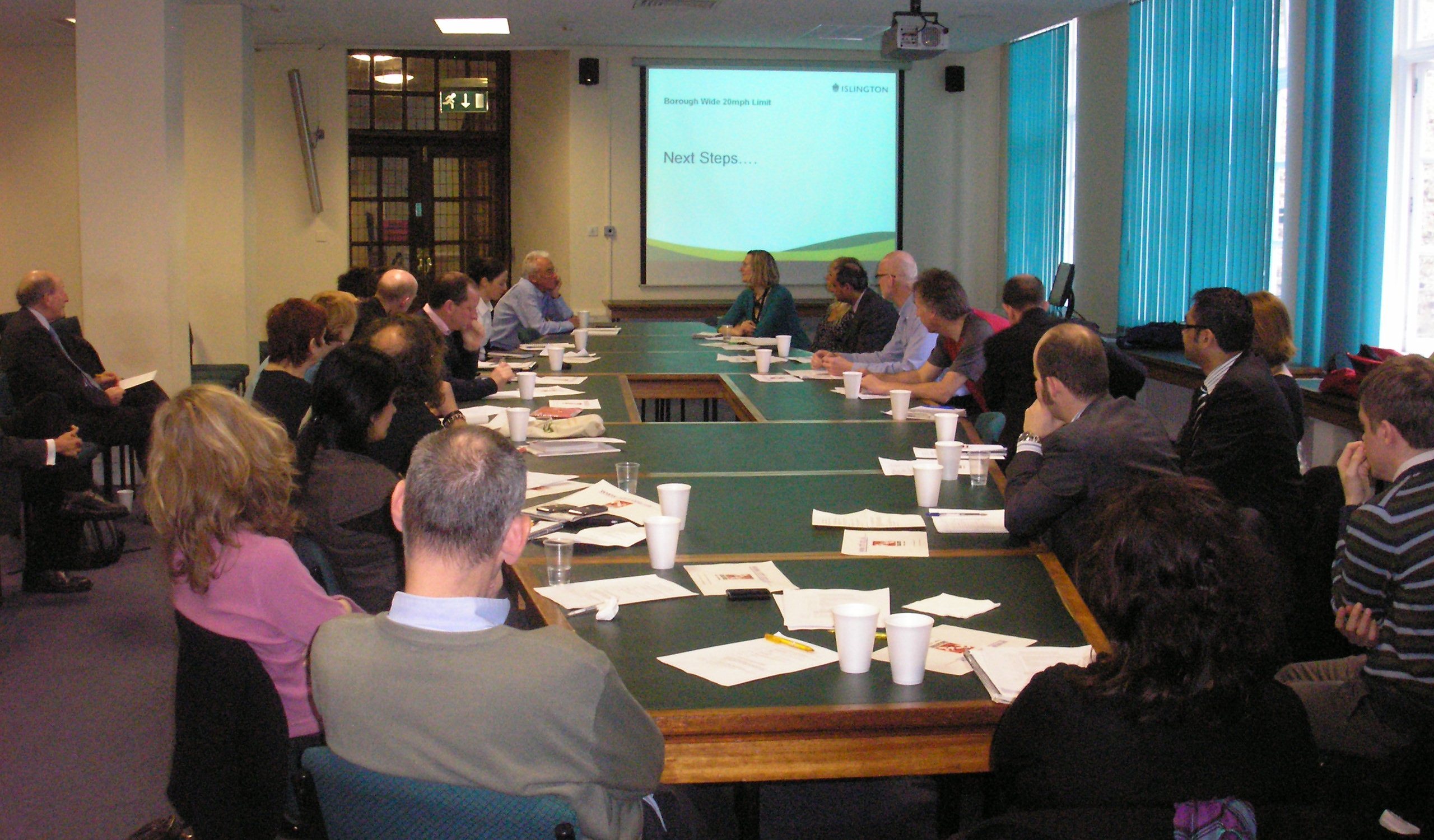
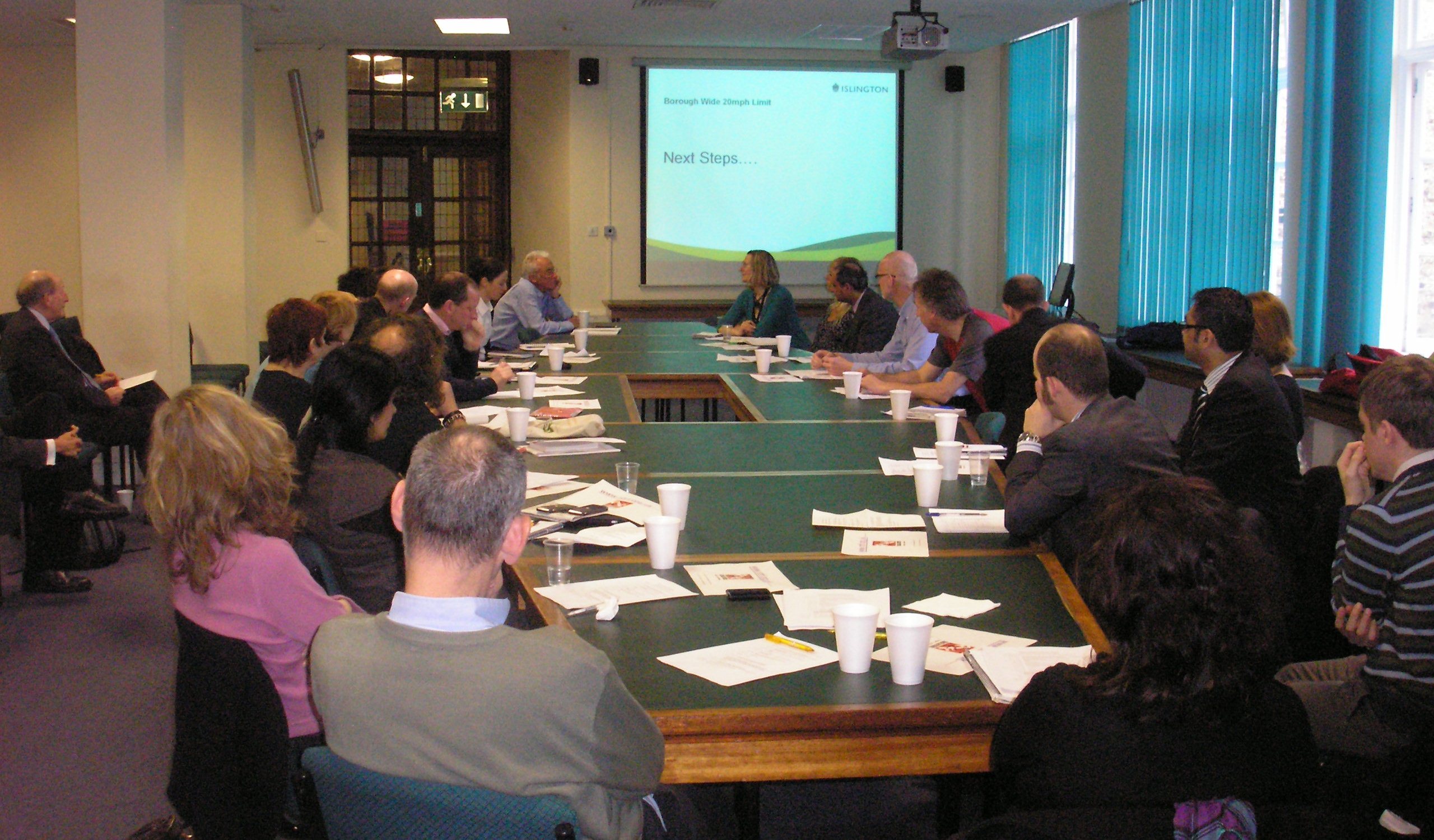
The Next Steps: "Embedding Road Danger Reduction in Local Transport Plans"
LB Lambeth hosted the seminar under this title on March 16th. Below RDRF Chair Dr. Robert Davis gives an account and his views of where this productive seminar takes the Road Danger Reduction agenda: Continue reading
The Next Steps: “Embedding Road Danger Reduction in Local Transport Plans”
LB Lambeth hosted the seminar under this title on March 16th. Below RDRF Chair Dr. Robert Davis gives an account and his views of where this productive seminar takes the Road Danger Reduction agenda: Continue reading
The double disaster of John Prescott
As we continue with the war for the careless and subsidised motorist, it is tempting to see current problems as starting with the present Government.This is quite wrong: the obstacles to sustainable transport and safe roads for all have long standing roots in government transport and “road safety” policies. In particular, we need to remember the double disaster of the reign of John Prescott. Continue reading