Is there a police blitz on unsafe driving in London?

Clare in the community: Phoney war

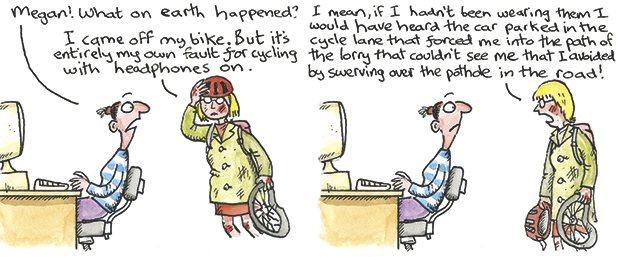
Harry Venning of the Guardian’s take on the “blitz” in “Clare in the Community”

After a spate of cyclist deaths in London, cyclist safety is on the national agenda. For some, getting cyclist safety in the public eye is inherently good – we’re not so sure. The key issue is, after all, to do the right things for the safety of cyclists. Last week we were told that there is a “new zero-tolerance approach”  with a “huge escalation” in policing involving “stopping lorries and cars and where there is unsafe driving they will be taken off the road.”

But is a blitz on unsafe driving – under what is called “Operation Safeway” in London – actually happening? We don’t think so. So what exactly is going on? Continue reading
Do bicycle lights make any difference to cyclist safety?

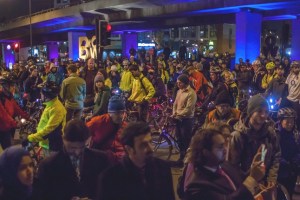
After a week where cyclist safety in London has hit the headlines, it might seem strange to look at this issue. I was pleased to represent the RDRF at the Bow roundabout protest organised by the London Cycling Campaign addressing issues about danger to cyclists and pedestrians there.

Bowroundaboutprotest1113

Spot the RDRF Chair at Bow roundabout protest (Photo London Cycling Campaign)

But actually the comments by the Commissioner of Transport for London on this subject – bike lights, that is – tell us a lot about the way “road safety” is thought of. Here are his comments: Continue reading

Hi-viz for cyclists and pedestrians: the evidence and context

scan0001

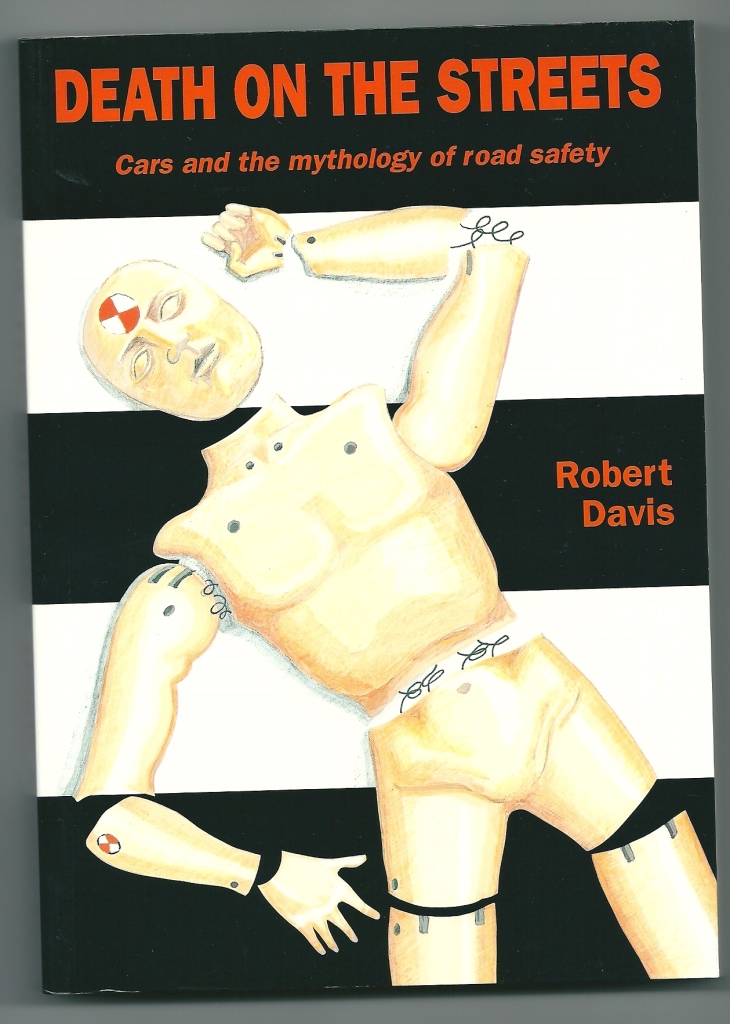
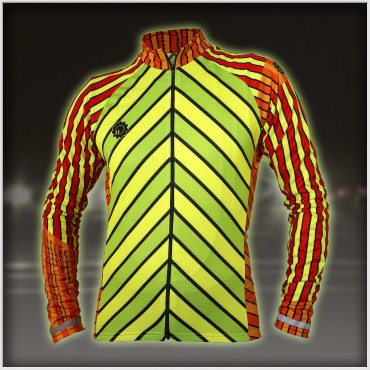
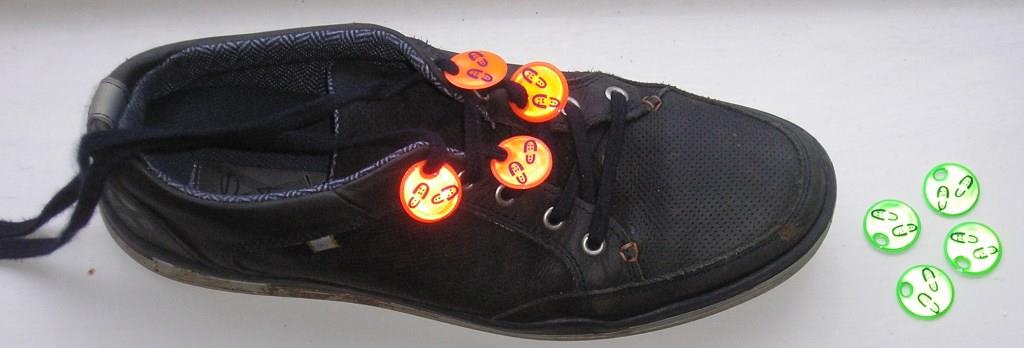
UPDATE: 24/04/2014- the scan below should now be readable! Below I post a scan of Chapter 9 from “Death on the Streets: cars and the mythology of road safety“. Since the subject of cyclist and pedestrian conspicuity has raised such interest, I took another look at the evidence for conspicuity aids such as h-viz clothing, and the context in which the advocacy of such items occurs. In the twenty years since publication, I am not aware of any fresh evidence which contradicts the conclusions to this Chapter, or the Precaution  which I suggest is taken when considering advocacy of hi-viz. Continue reading

Intellectuals’ resistance to motor danger in the first half of the 20th century in Britain

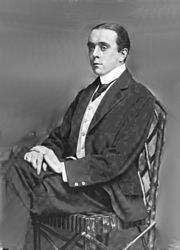
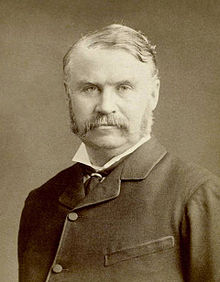
We take a break from today’s debates to look at the response to motorisation and its attendant danger from some commentators at the time. Britain tends not have a group of people described as “intellectuals”: however celebrated and articulate people who would pass as such in any other European country existed and gave their views on road danger. Some of this work comes out in ordinary journalism – see the reports on Carlton Reid’s web site such as this others elsewhere. Here I give extracts from AP Herbert  ,  Max Beerbohm   and W.S. Gilbert (the Gilbert of Gilbert and Sullivan).

180px-Max_Beerbohm_1901_retouched220px-William_S__Gilbert_(1878)APherbert

Max Beerbohm; W.S. Gilbert and A. P. Herbert

Continue reading

How pro-cycling is Labour?

MariaEagleDailyTelegraph

Maria Eagle (Photo: Daily Telegraph)

In the parliamentary debate on “Get Britain Cycling”   it wasn’t just the CTC who thought that the most impressive speech came from Labour’s frontbench spokesperson, Shadow Secretary of State Maria Eagle”.

We look at her contribution below, in the context of the evidence we have to assess what Labour is likely to actually do if it comes to power. For while Labour formally endorsed “Get Britain Cycling” at their annual conference , there are key areas where necessary commitment to achieve the aims of the report is apparently lacking. Continue reading

Victim Blaming News Bulletin 3rd October 2013

If you are reading this on www.rdrf.org.uk  or are an addressee, you shouldn’t need to know what is so vile and destructive about this.
But there are important explanations required.
We need to understand how self-blame can – albeit ultimately destructive – can give a false but seductive relief from the grief of losing a loved one.(Although, of course, it is also deeply offensive to so many of the loved ones of those who have also died in this way).
We also, yet again, have to state the “bleeding obvious” that wearing a cycle helmet does not stop a human body being crushed underneath a lorry.
But we need to go a lot, lot further.
We need to go further than showing that cyclists  “taking a test” isn’t the issue when reducing danger at source – for the safety of all road users – is.
We need to show how the pride and “owning the road” mentality of all too many drivers comes at least partly from their “driving test”. We need to reveal the absence of evidence on the positive effects of wearing bicycle crash helmets in general.
We need to reveal how these and other elements of this culture perceives “road safety”  are indeed, part of the problem of danger on the road.
And that a civilised approach to getting about has to tackle this ideology at root and branch,
Dr Robert Davis, Chair, Road Danger Reduction Forum

2013 – 20th year of the Road Danger Reduction Forum