At the founding of the RDRF in Leeds in 1993 we were confronted with the issue of, well, what would our name be? Would anybody understand or use the phrase Road Danger Reduction? I think we can give ourselves a pat on the back: RDR has been formally endorsed by (among others) the CTC (National cyclists’ organisation), London Cycling Campaign, RoadPeace, Living Streets, Twenty’s Plenty, the Environmental Transport Association, and the Road Danger Reduction Charter signed up to (if not actively pursued) by a number of local authorities. Of course, getting the approach understood – differentiating us from “road safety” and publicising the sustainable transport agenda – is another issue from getting it accepted by the powers that be. After the Comprehensive Spending Review, it looks like we’re going backwards – or at least not forwards…
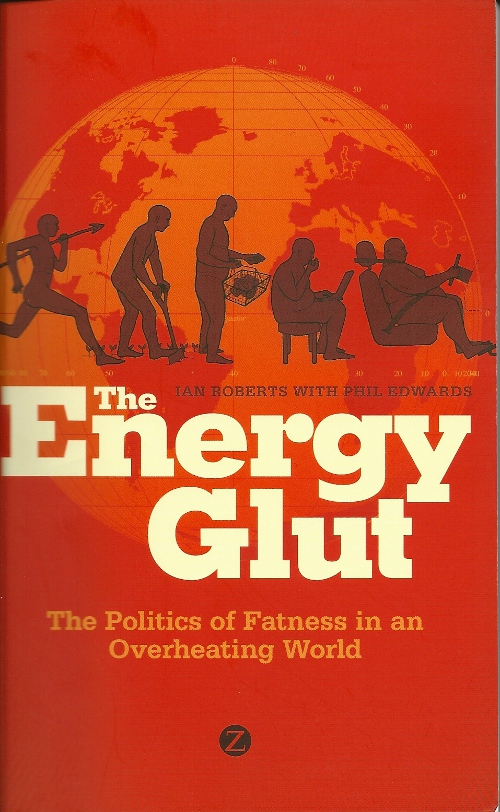
But now the good news: if we can’t actually get the RDR programme on the official agenda, we have got a forceful endorsement of RDR in this superb book: “Real road safety means reducing road danger, which implies far fewer motor vehicles travelling at much lower speeds” (p.84) and, on the twinned themes of the book:” The only practicable response to climate change and population weight gain is that walking and cycling are re-established as the predominant modes of urban transportation“(p.119).
Epidemiologist Professor Ian Roberts of the London School of Hygiene and Tropical Medicine is well known to us for his work on the effects of 20 mph zones and his critique of the pressure for road building from the global “road safety”/car industry lobby in developing countries. As with his previous work, the links between different parts of the effects of mass motorisation are established. Except it is not just the two main themes of the health disbenefits of mass car use and the greenhouse gas emissions from motor vehicles, but road danger, the effects on local community, and dependence on oil. On top of this, obesity and global warming are shown to be linked more intricately and deeply than we might have ever thought. All of this is presented in a polemic fuelled by (justifiably) righteous anger and backed up by a solid evidence base.
We have some criticisms (see below) but this short book is a must read for transport practitioners with a conscience and a genuine interest in the problems of the current transport system – and at least an indication of what we can and should do about it. Continue reading
 Road Danger Reduction Forum